147 People Follow
tune-yards
About
tUnE-yArDs
Saturday, November 7 Doors 7:00 PM | Show 8:00 PM
TICKETS
Advanced Purchase GA $30.00
Day of Show GA $35.00
All Ages
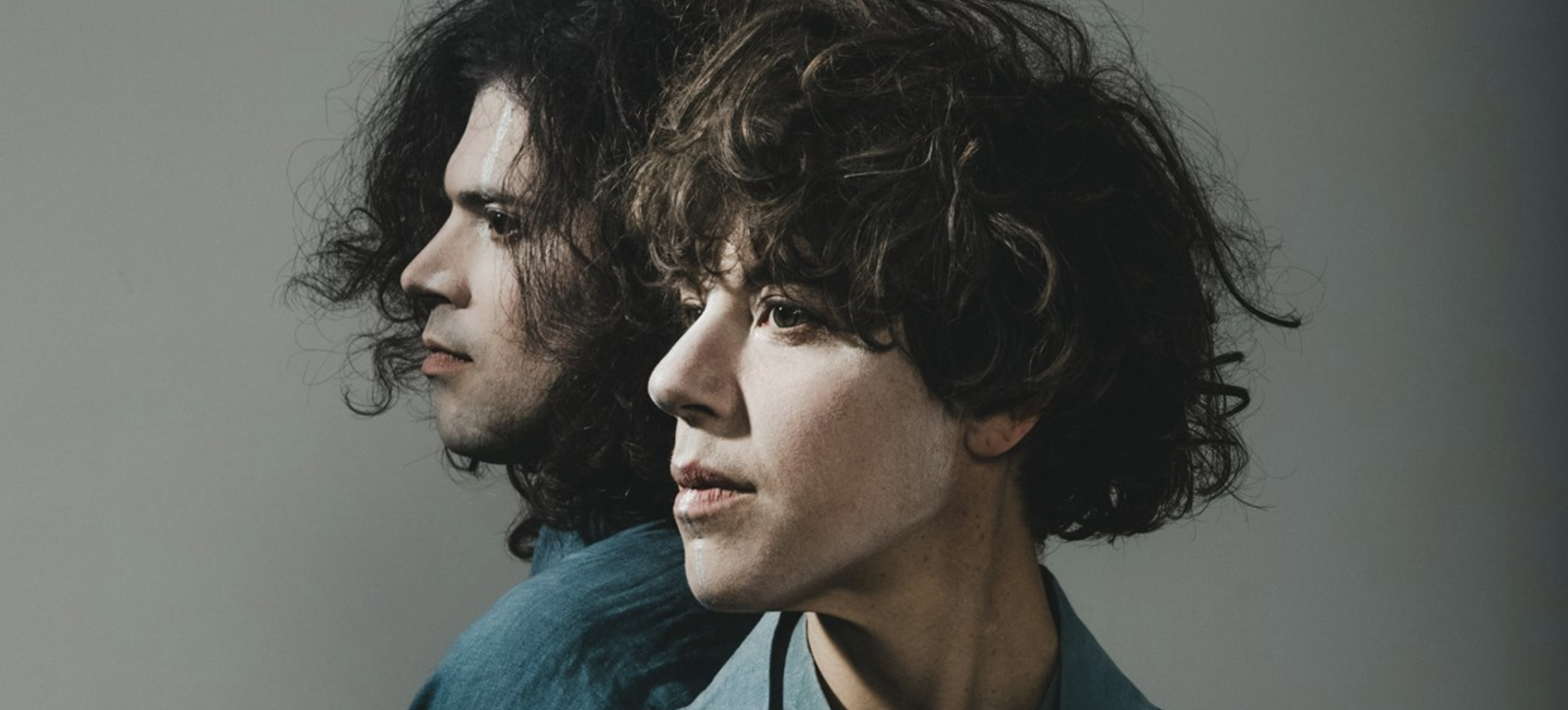
Merrill Garbus has performed as Tune-Yards since 2009, and that band name has always been synonymous with forward movementwhether because of her explosive performance style or the always-surprising way in which her songs unfold. First gaining notice with the debut BiRd-BrAiNs, which The New York Times called a confident do-it-yourselfers opening salvo: a staticky, low-fi, abrasive attention-getter, Garbus forged a reputation as a formidable live presence through relentless touring. In 2011, tUnE-yArDs released its second album, w h o k i l l, a startling and sonically adventurous statement that led to a whirlwind period where Garbus and bassist Nate Brenner accrued accolades from critics (including the #1 spot on the Village Voices 2011 Pazz and Jop poll), performed in front of increasing numbers of rapturous crowds around the world, and collaborated with the likes of Yoko Ono and ?uestlove. It was a thrilling ride, but it was one that needed a little bit of recovery afterward.
I took the Fall [of 2012] off and started taking both Haitian dance and drum lessons, says Garbus of the post-w h o k i l l period. It was nice; I was trying to be healthy and have a good time. And then, in January [2013], I was like, I have nothing. Ive never had nothing beforeIve always had some songs that Im planning on recording; Ive always been working live with the looping pedal and writing that way. And I thought, OK, if Im going to grow as an artist, I need to do this differently.
So I went to my studio five days a week and told myself I would be doing two demos a day. I also had rules: This week Im only going to write using drum machines; This week Im going to write using vocal melodies first, and build something around that. At the end of that, I had about 30 demos.
Those demos would eventually gel into Nikki Nack, the stunning third album by the Oakland-based band. A complex, textured statement that opens with a clarion call to Find A New Way and spends its 13 tracks getting there, its a showcase of how Garbuss songwriting has blossomed, and a testament to how current technologies can combine with themes from the pastSaturday mornings spent watching Pee-Wees Playhouse, puppet shows based on Jonathan Swifts A Modest Proposal, hard days made less so by the refuge provided by top-40 radioto create something utterly original.
It was weird what stuck, Garbus says of the writing process. The first song that felt finished is not on the album, and I almost scrapped Water Fountain.' That pulsing tracks post-apocalyptic vision is presented as a sing-along, a tale of streets where once-useful structures have been rendered into disintegrating husks with Brenners bass playing providing an increasingly concerned counterpoint. I almost threw it away, she recalls, because it sounded like a kids song. But I really liked the theme, which mirrored what I was seeing in Oaklandpeople dont want to pay taxes, but the taxes are paying for the water fountain, and for the trash to be picked up, all these bare essentials.
Having studied both Haitian dance and drumming during her downtime, Garbus also visited the island nation in the spring of 2013 (she penned a piece about her time there for the online magazine The Talkhouse). The trip informed the record both spiritually and practically, and led to Garbus adding another instrument into Tune-Yards musical arsenal (which, as she documented online, includes items like a bag of rice and a stool this go-round). Theres this drum called the boula; it sets the tempo for all the other drums, she says. Its the smallest drum, and its played with two sticks, flat to the skin. That element of Haitian drumming acts as the hi-hat, or the metronome, for a lot of the songs on the album.
Callbacks to the past are all over Nikki Nack, as befitting its jump-rope-chant title. Garbuss vocal performance on Wait For A Minute recalls Quiet Storm balladry, and the song also contains a direct callback to her own past: A wobbly keyboard line provided by a Casio she received as a gift when she was nine years old. Left Behind is underscored by a jittery nostalgia, the playground chant from which the albums title is taken eventually giving way to a chorus where Garbuss voice is masked by glossy-yet tarnished production that brings to mind the radio reigns of Lisa Lisa and En Vogue. On the chorus, she says, I sang those three parts and we put the recording through some crazy tape to make it sound like it was old and warped and distorted. Instead of weighing the music down, though, the heaviness of the past defiantly animates the track, which culminates in a cacophonous Holiday, holiday/Lets Go Crazy call-and-response.
That song may be the epicenter of the album for me, says Garbus. Theres a sense of people not being okay with change, and how uncomfortable change is. I have a great amount of nostalgia for times past, and I feel extremely uncomfortable with that because I think its so misdirected and misguided to think that things were better back then.'
Nikki Nack has uncertainty about both the past and the future, but thats in keeping with Garbuss overall aesthetic of constantly questioning and burrowing for a new way, tempered by the joy that goes hand in hand with new discoveries. We worked with other producers for the first time this time around, which required that I humble myself quite a bit. Weve worked with other collaborators, of course, like Eli Crews as a recording and mixing engineer again, but to ask Malay (Alicia Keys, Frank Ocean, Big Boi) and John Hill (Rihanna, Shakira, M.I.A.) for input on the tracks I had to let go of Tune-Yards being rigidly my production. I have a very specific vision for the sound of the band and I dont think women producers get enough credit for doing their own stuff, so I was resistant but we grew, Nate and I both, and the songs grew. And it turns out thats whats most important: the songs, not my ego.
Every single composer, artist, writeranyone that I respect, there is crazy shit thats happened in all these art forms, she says. When the shit started changing, people were like, Ugh, I dont want that, what is that? And its kind of painful sometimes being on the front line of whatever Im doingIm pushing myself, so I am going to rub up against my audiences expectations, and there is going to be some friction and tension there. My job is to get comfortable with that and accept it rather than kowtow to it.
Lineup